
how do you say heal?
January 8, 2023
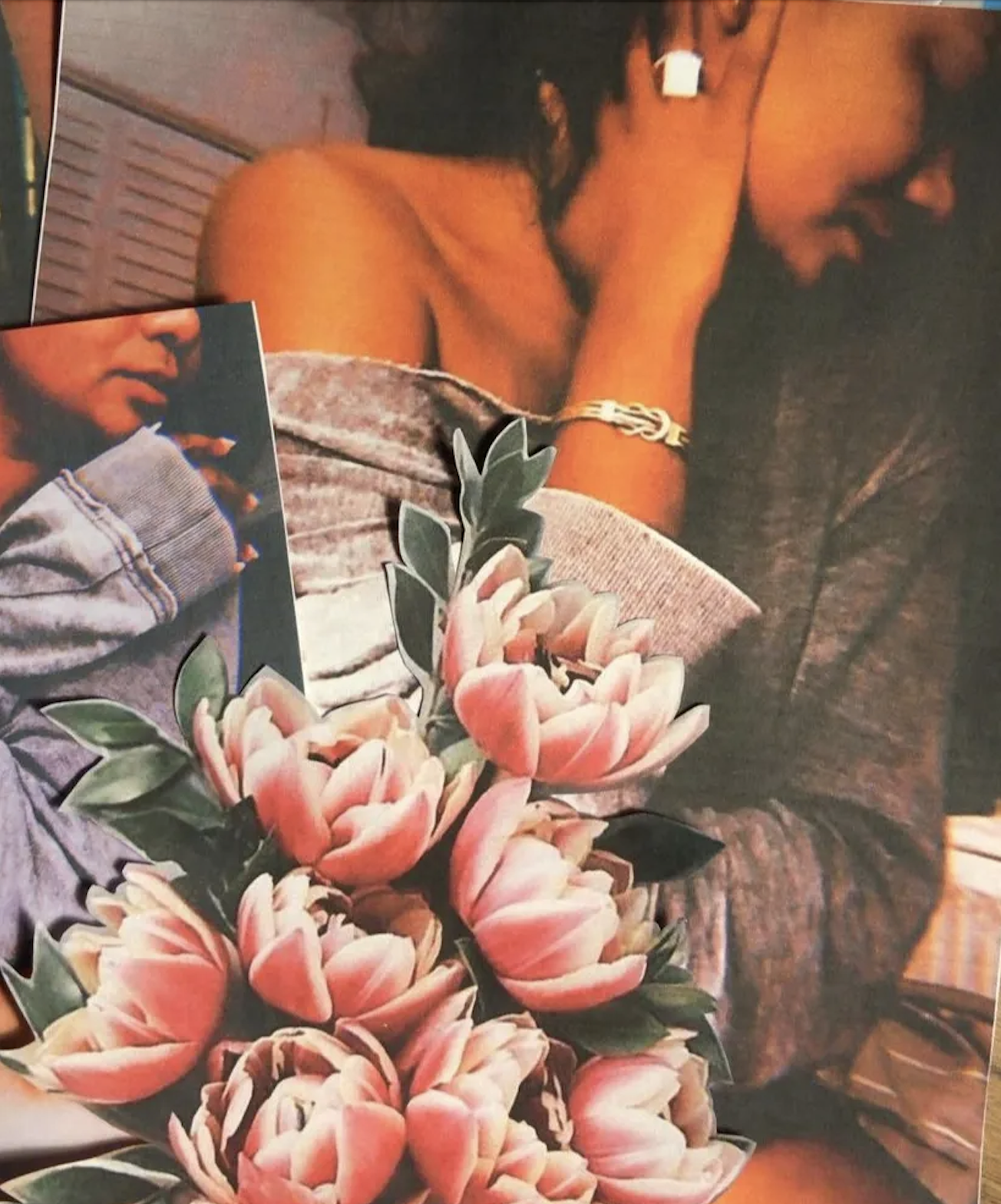
I can’t recall exactly when this love affair began, but what was once an occasional meeting, here and there, quick trysts, late nights, and early mornings, sandwiched between word flowings, has now blossomed into a delicious relationship.
I am a writer who is particularly sensitive about the words. When writing, I am not just trying to use the right words, but the moving words, the words that evoke feeling, and emotion; words with connective tissue that support the sometimes overlooked and overshadowed deep seated substances of this human experience.
This love affair I speak of is one held with synonyms. The exploration of synonyms, words having the same, or nearly the same meaning as another, feels a little like linguistic foreplay. Overtime this foreplay has become a necessary precursor to the main event. Writing. Writing is a form of love making.
I believe writing to be first and foremost a practice. A meditation. An art form. A release. A prayer. The act of writing is just as much an exploration as it is an expression. Like love, and the making of it, writing can be used to explore, and investigate, both the emotional feeling of feelings, and their expression.
I am fascinated by how words, which may have the same meaning, may also have a different affect. While one word might engage, charm or invite, another may alienate, dissuade, or deter. I believe that how we take in and feel a word/s is often based on a kind of history we have with them, how they have been used with us, for us, towards us or even against us.
One-night last year when working on a written piece, a question came to me:
How do you say love without using the word?
The answer that followed, more immediate than expected, was POUR.
The present question, the question that has led me to today’s subject:
How do you say heal without using the word?
My answer: OPEN.
Unlike my immediate response to ‘How do you say love?’, I questioned my word for heal. I can’t quite say why I questioned it, other than to express that I didn’t trust it. I didn’t trust the word or, maybe trust my understanding of it because, to be quite honest, healing from day-to-day and month-to-month, and year-to-year takes on different meaning, feeling and form.
In sitting with the word “open” or opening, I thought visually about healing, or rather, I thought visually about the wound. I envisioned a laceration. As it happens, just before the start of this new year I received a call from my youngest niece. While taking out the trash, she sliced her finger on a piece of broken glass. At face value the cut didn’t appear to be deep but the doctor in the emergency room that stitched the gash thought otherwise. To access the damage, in order to decide the best treatment, the doctor opened the wound. According to my niece, the opening of the wound felt just as, if not more, painful than the infliction of it. And so it has often been with the process of healing.
Let me make clear, I don’t believe that ones approach to healing must always require opening a wound but sometimes in order to clearly see the depth of a wound, it is necessary to re-open it. Understanding its depth of my own wounds has allowed me to better understand my options, or need, for salve (or solve) and remedy. The more severe the wound has been, the more the need for a more potent remedy. The deeper the wound, the more time, patience and care it may take, and require to mend.
I’ve thought of other words I'd use to express healing like 'Letting' and 'Making'. ‘Letting’ as in letting go and clearing debris that may have pact into the wound affecting its ability to breathe, and the skin to mend. ‘Making’ as in, making peace with the often unsettling or hard to bare truths that may be found in the process of a wound’s opening.
The delicate nature and intricacies of healing is something I have, more often than not, felt ill advised on and prepared for. In reflecting and sharing words on my journey, healing and otherwise, I find myself trying to write more expressively, and transparently about the heavier and more difficult emotional waves and feeling because so often I have felt deeply alone, and in need of knowing that feeling, particularly and especially while healing, is not to be shamed or suppressed, rather, feeling is an essential part of the process, a part that is deserving of honor, adoration, space, time, consideration, curiosity, and respect.
Last year in November, I wrote a note to myself. It reads:
Whatever invites your heart to open, do that.
I have since revised this note. It now reads,
Whatever invites you to open, and given that there is safe and caring space for you to open within, please do.
Open to discover. Open to learn, to see, to leap, to release, to breathe, to make peace, to let go.
Open to heal. Open to change, to expand, to grow.
In anticipation of sharing this piece I ask others to tell me how they would say heal without using the word. This is a list of some of what was shared.
regeneration, softening, release, home coming, bloom, restore, return, reset, finding light, nurturing, surrender, meditation, tuning in, deeply breathing, recovering, cleansing, peace making, accepting ascending, nourishing, tending, comfort, soothe, understand, folding in, mend, practice, and welcoming yourself whole.
…
My name is Ẹniafẹ Isis Adewale. Feeling is my work, writing is my craft, and my practice is emotional alchemy.
— ei